Orpheus and Eurydice
In brief
- Orpheus, the greatest musician of the mortal world, lost his wife Eurydice to a snakebite on their wedding day.
- Grief-stricken, he descended into the underworld through the cave at Cape Tainaron and charmed Hades and Persephone with his music, winning her release.
- He was allowed to lead her back to the living world on one condition, not to look back, but he broke it just steps from the surface, and lost her forever.
Orpheus could make rivers pause and stones weep with the beauty of his lyre. When his bride Eurydice died of a snakebite on their wedding day, he could not accept the loss. He resolved to do what no mortal had done before: travel into the underworld and bring her back.
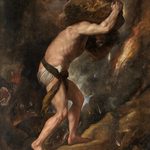
At Cape Tainaron, the southernmost point of the Peloponnese, a cave was said to lead directly down into the realm of the dead. Orpheus entered there, playing his lyre as he descended, and its music was so beautiful that it stilled the torments of the underworld itself: even the Furies wept, and Sisyphus, for a moment, forgot his boulder.
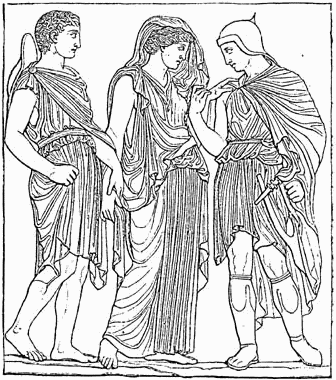
Before the thrones of Hades and Persephone, Orpheus played a song of his loss so moving that even the god of death was swayed. Persephone convinced her husband to let Eurydice return to the living world, on one condition: Orpheus must walk ahead of her and not look back until they had both reached the sunlight.
The climb was long, and in the darkness Orpheus could not hear Eurydice's footsteps behind him. Doubt crept in: was she truly there, or had the gods deceived him? Just before he stepped into the light, he turned to look. Eurydice was still in shadow, and in that instant she was pulled back into the underworld, this time for good, and Orpheus was left to grieve her a second time, alone.