Throne of the Gods
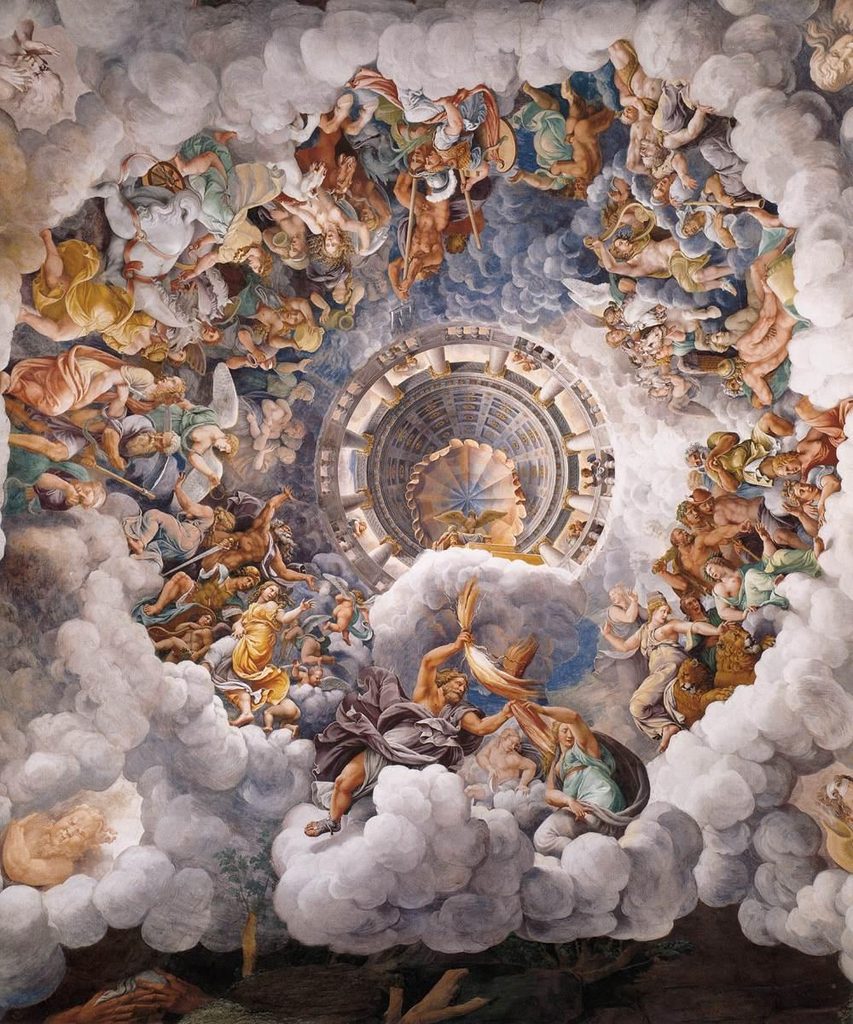
In brief
- After defeating the Titans in a ten-year war, the Olympian gods made the mountain their home.
- Zeus and his siblings drew lots and divided the cosmos, with Olympus serving as their shared court.
- Its cloud-wrapped summit was said to be a golden palace, unreachable by mortals and eternally in spring.
Before the gods ruled from its peaks, Mount Olympus was simply the tallest mountain in Greece, its summit lost in cloud. That changed after the Titanomachy: the ten-year war between the younger gods and the elder Titans who had ruled since the dawn of the world. Led by Zeus, the Olympians overthrew Cronus and his siblings, hurling the defeated Titans down into the pit of Tartarus.
With the old order broken, Zeus and his brothers Poseidon and Hades drew lots to divide the cosmos between them: Zeus took the sky, Poseidon the sea, and Hades the underworld. The earth and Olympus itself remained common ground. It was there, on the mountain's highest and most sacred peak, that the victorious gods built their court: a palace of gold and cloud, built by the craftsman-god Hephaestus, where the air was said to be always mild and untouched by wind, rain, or snow.
From its halls, the Twelve Olympians presided over the affairs of gods and mortals alike, gathering to feast on nectar and ambrosia, to settle disputes, and to watch, and often meddle in, the lives of the humans far below. Few mortals ever set foot on its peak; those who tried to climb high enough to spy on the gods rarely returned to tell of it.
To the ancient Greeks looking north from their cities, the real Olympus, often crowned in snow and wreathed in storm clouds, was a constant, visible reminder that the gods were close at hand, watching, judging, and occasionally descending to walk among mortals.